

Table of Contents
- Understanding Your Child's Reading Level and Interests
- Children's Books by Reading Level
- Building a Homeschool Reading List by Age
- Books for Read-Aloud Time
- Free Books and Low-Cost Resources for Homeschoolers
- Building a Balanced Homeschool Reading Curriculum
- Where to Find Children's Books for Homeschooling
- Frequently Asked Questions
Last Updated: October 11, 2026
Understanding Your Child's Reading Level and Interests
Finding the right children's books for homeschooling can be one of the most enjoyable parts of creating a home learning environment. Whether you're teaching a preschooler to recognize letters, helping an elementary student become a confident reader, or encouraging an older child to explore history, science, and literature, having a variety of books at home makes learning more accessible and enjoyable.
At Marissa's Books, we believe children benefit from having books of their own—books they can read, reread, explore at their own pace, and proudly add to their personal libraries. With the right combination of reading levels, interesting subjects, and affordable choices, homeschooling families can build wonderful home libraries without spending a fortune.
Assessing where your child reads now
Your child's reading level isn't just about age. Before building a homeschool reading list, spend time observing how your child actually reads.
Watch for these signals: Do they finish books? Do they choose reading willingly? Can they retell what they've read? Do they understand main ideas?
These observations matter more than any grade-level label.
Matching books to ability and interest
The sweet spot is a book just challenging enough to feel rewarding but not frustrating.
Ask open questions: What characters do you like? What kinds of adventures interest you? Do you prefer funny or serious books? Realistic stories or fantasy?
Matching books to genuine interests drives better engagement than grade-level guidelines alone.
Children's Books by Reading Level
Understanding reading levels helps you navigate the enormous range of children's books available. These levels aren't rigid categories, they're guides to help you find books that will feel manageable and rewarding for your child.
Early readers and emerging literacy
Early readers (ages 4-7) are learning to decode words and understand simple stories.
Look for predictable patterns, rhyming text, or simple sight-word vocabulary. Picture books build vocabulary, foster a love of stories, and give emerging readers confidence.
Common characteristics: large, clear print; short sentences; familiar concepts; pictures on every page; quick resolutions. The Cat in the Hat and Frog and Toad remain classics for this level.
Transitional and fluent readers
Transitional readers (ages 6-9) are moving beyond picture books to early chapter books with short chapters that feel manageable.
Fluent readers (ages 8-12) read chapter books with growing independence, following multi-chapter plots and understanding character development.
At this stage, matching books to your child's specific interests becomes crucial.
Independent and advanced readers
Independent readers (ages 10+) read novels with minimal support and are developing strong preferences about genres and themes.
Advanced readers need books matching their thinking level, not necessarily their age. A brilliant ten-year-old might be ready for young adult literature while a typical fourteen-year-old prefers lighter middle-grade adventures.
Building a Homeschool Reading List by Age
A solid homeschool reading list balances fiction and nonfiction, familiar genres and new explorations, and books your child chooses alongside books you introduce.
Preschool and kindergarten selections
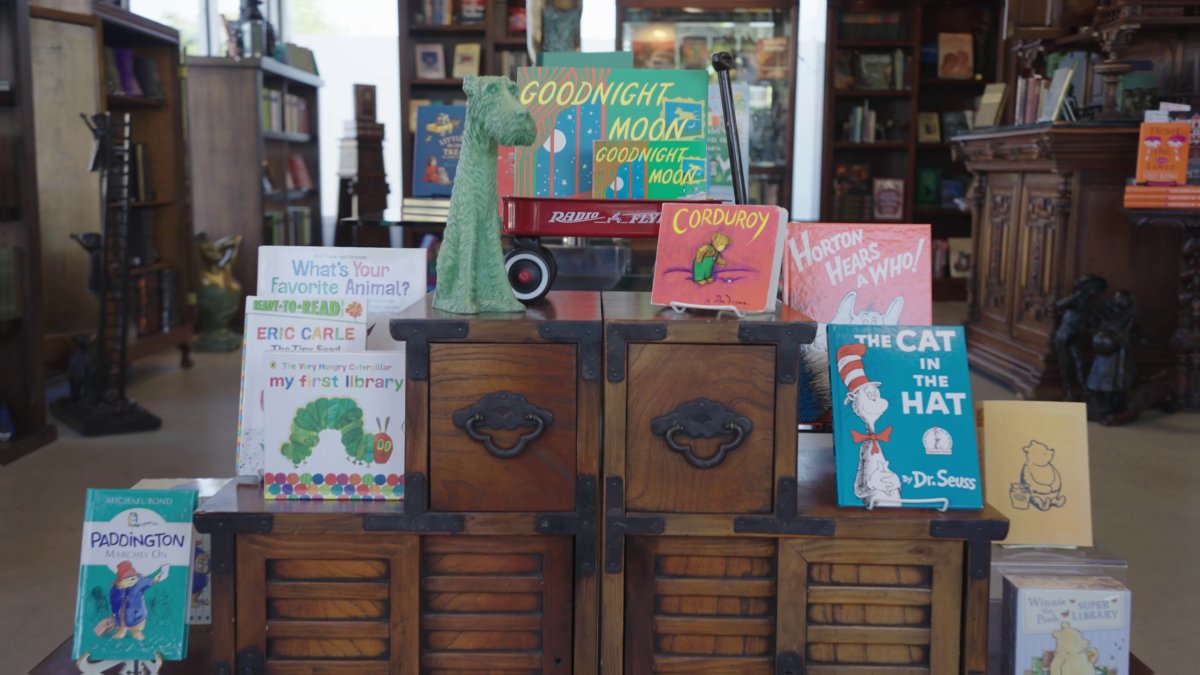
For preschoolers and kindergarteners, picture books are the foundation. Read-alouds are essential; the goal is hearing stories and language, not decoding words independently.
Include silly books, books about feelings and friendship, stories about familiar experiences, and concept books.
Sample titles to explore: Goodnight Moon, The Very Hungry Caterpillar, Dear Zoo, Where the Wild Things Are, Click, Clack, Moo.
Early elementary (grades 1-3)
Early elementary is when reading becomes more independent, though read-alouds should continue.
Include easy readers for independent practice and chapter books for read-aloud time. If studying animals, find both fiction and nonfiction.
Sample titles: Junie B. Jones series, Ivy and Bean, Magic Tree House, Cam Jansen, Nate the Great.
Upper elementary (grades 4-6)
Upper elementary readers develop stronger preferences and handle longer books with complex plots.
This is when you can introduce some nonfiction reading that goes deeper, biographies, books about science topics, historical narratives. A book like Leonardo Da Vinci in 30 Seconds works well here because it introduces a historical figure through engaging illustrations and brief, digestible information.

For science, books like Stickmen's Guide to Oceans in Layers bring nonfiction to life through illustration and humor.
Sample fiction titles: Percy Jackson, Wings of Fire, The Baby-Sitters Club (graphic novels), Warrior Cats, The Land of Stories.
Middle school and beyond
Middle school readers are becoming more selective and opinionated. They know what they like and what they don't.
Continue mixing fiction and nonfiction. Introduce biographies and memoirs. Explore poetry and short stories.
This is also when you can start introducing books that explore more complex themes: friendship conflicts, family challenges, identity questions, social issues.
Books for Read-Aloud Time
Read-aloud time is one of the greatest gifts homeschooling offers. It's not just about the books, it's about sharing stories together, hearing beautiful language, and building family connection around reading.
Why read-alouds matter in homeschooling
Read-aloud time creates space for books slightly above your child's independent reading level.
Read-alouds level the playing field across different reading abilities. In a homeschool with multiple children at different levels, everyone experiences the same story together.
Read-alouds build family culture. Children remember these moments and the characters you all loved.
Selecting engaging read-aloud titles
Choose books with strong voices and compelling stories. Read-aloud books benefit from interesting language, humor, and pacing that keeps listeners engaged.
Look for memorable characters, forward-moving plots, and language that's fun to read aloud.
Ask other homeschooling families what they've loved reading aloud. Visit your local bookstore and flip through potential read-alouds.
Free Books and Low-Cost Resources for Homeschoolers
Building a strong homeschool library doesn't require unlimited spending. Free and low-cost resources expand what you can offer your child.
Public libraries and digital collections
Your public library is an invaluable homeschool resource. Most offer digital collections (ebooks and audiobooks), streaming services, and programs for homeschoolers.
Visit your local library and ask about homeschool resources.
Digital collections let you access books instantly. Audiobooks are particularly valuable, listen together during car rides or while doing other activities.
Used books as affordable options
Used books are one of the most affordable ways to build a home library for homeschooling. At Marissa's Bookstore in Millcreek, Utah, families can explore a large and constantly changing selection of used children's books, including picture books, early readers, chapter books, fiction, nonfiction, and educational titles. With our deeply discounted prices, families can bring home more books without stretching their budgets. There's also something wonderful about letting children browse the shelves and discover books that capture their imagination.
When shopping for used books, examine condition carefully. Our Millcreek bookstore carries a substantial collection of used children's books, and because our inventory changes regularly, you never know what you'll discover.
Building a Balanced Homeschool Reading Curriculum
A balanced reading curriculum includes different types of books serving different purposes.
Mixing fiction and nonfiction
Fiction builds imagination, language skills, and emotional understanding. Nonfiction builds knowledge and understanding of how the world works. Both matter.
Some children naturally gravitate toward fiction; others love nonfiction. Honor those preferences while gently introducing the other.
Consider how your reading supports other learning. If studying ancient civilizations, include both fiction and nonfiction about how people lived.
Incorporating learning across subjects
Reading for homeschool means using books as your primary tool for learning across subjects. History comes alive through well-written narratives.
Choose books that genuinely teach while remaining engaging.
Building a diverse homeschool library lets you choose the best books for your child's learning, regardless of publisher or format.
Where to Find Children's Books for Homeschooling
Understanding how to find children's books for homeschooling makes building your homeschool library much easier. Different sources offer different advantages.
Independent bookstores and local discovery
Independent bookstores offer something you can't get online: the ability to browse, discover, and explore in person.
Browsing in a bookstore often leads to unexpected discoveries. You go looking for one book and leave with three others you hadn't planned on.
For Utah homeschooling families, a visit to Marissa's Bookstore in Millcreek offers an opportunity to explore 8,500 square feet of new, used, and vintage books. Our constantly changing inventory makes every visit a new adventure, with affordable discoveries for readers of all ages. Bring the children, take your time browsing, and let them discover books they'd love to add to their home libraries.
Online resources and convenient shopping
Online shopping offers convenience and selection. When you know exactly what you're looking for, online shopping gets it to you quickly. Shop discounted new books online at MarissasBooks.com for a large selection of children's books with convenient delivery.
Online resources also include book discovery tools. Websites and apps let you search by reading level, topic, or age. Book review sites and homeschool communities share recommendations.
The advantage of online shopping is knowing what you're getting before it arrives.
Building a home library is one of the most rewarding investments you can make in your child's education. Whether you're looking for picture books, chapter books, classic literature, or educational resources, the right books can inspire curiosity and a lifelong love of reading.
At Marissa's Bookstore in Millcreek, Utah, homeschooling families can explore thousands of affordable new, used, and vintage books in a welcoming environment where discovering something unexpected is part of the fun. We invite you to visit our bookstore and discover what treasures you and your children might find.
Prefer shopping from home? Visit MarissasBooks.com to explore our selection of discounted new books delivered right to your door.
Frequently Asked Questions
How do I choose children's books that match my child's reading level?
Start by observing how your child reads independently and what they understand. Look at the sentence structure, vocabulary, and page length compared to books they've enjoyed. Many children's books include grade-level guidance on the back cover or inside flap. Pay attention to what captures their interest—a book that matches their reading level but bores them won't encourage reading. If your child struggles, try books slightly below their grade level. If they breeze through selections, move up. The goal is finding books they can read with confidence while still encountering new words and ideas.
What are some good free or low-cost sources for children's books for homeschoolers?
Public libraries remain one of the best free resources, offering unlimited borrowing and often hosting homeschool collections. Many libraries also provide digital access to ebooks and audiobooks. Used bookstores and online secondhand sellers offer significant savings on quality books. Book swaps within homeschool groups let families exchange titles they've finished. Thrift stores sometimes carry children's books in good condition. For new books at discounted prices, online retailers offer options that cost less than retail. Building a collection gradually through these sources keeps costs manageable while expanding your reading options.
How should I structure a homeschool reading list by age?
Organize by your child's current age and reading ability rather than grade alone, since homeschooled children often read at varying levels. For younger children (ages 4–7), include picture books, early readers, and short chapter books with illustrations. For ages 8–12, add longer fiction, graphic novels, and nonfiction on topics that interest them. Teenagers can handle more complex narratives, longer books, and diverse genres. Within each age range, include a mix of read-alouds (books you read together), independent reading, and books slightly above their current level to encourage growth. Rotate between fiction and nonfiction to build knowledge across subjects.
Why are read-alouds important for homeschooling, and what makes a good read-aloud book?
Read-alouds build listening comprehension, expose children to richer vocabulary, and create shared learning experiences. They're especially valuable for homeschoolers because they let you discuss ideas together and model fluent reading. Good read-aloud books have engaging plots, interesting characters, and language that sounds good spoken aloud. Picture books work for all ages when the illustrations are detailed enough to hold attention. Chapter books should move at a good pace and include natural stopping points. Avoid books with dense descriptions or overly complex sentences unless your child is older. Choose stories your family will enjoy discussing—that shared connection matters more than perfect grade-level alignment.
How do I balance fiction and nonfiction in a homeschool reading curriculum?
A balanced approach includes both types regularly. Fiction develops imagination, empathy, and language skills through narrative. Nonfiction builds knowledge in history, science, nature, and other subjects. A practical mix might be one fiction title and one nonfiction title per week, or alternating chapters between a novel and an informational book. Consider nonfiction books related to topics you're studying—history books for your history unit, science books for science lessons. Graphic novels and illustrated nonfiction count as legitimate reading. The key is letting your child read enough of each type to develop strong skills in both comprehension and information gathering.
Where can I find specific children's books for homeschooling if I know what I'm looking for?
If you have titles in mind, online retailers make it easy to search and compare prices. Public libraries let you request books from other branches. Used bookstores and secondhand online sellers sometimes have older or out-of-print titles at lower prices. Homeschool groups and parent forums often share recommendations and book lists organized by subject or age.
What should I do if a book isn't working for my child?
Not every book works for every reader, and that's okay. If a book isn't engaging after a fair try (perhaps 2–3 chapters), it's fine to move on. Don't force reading of books your child dislikes—that builds negative associations with reading itself. Instead, try a different book at a similar level or explore a different genre. Pay attention to what your child enjoys and seek out similar titles. Sometimes a book is simply too advanced, too slow-paced, or mismatched with your child's interests. The goal is building a love of reading, not completing every book you bring home. Use mismatches as learning opportunities to understand your child's preferences better.